Case Study: Orkut


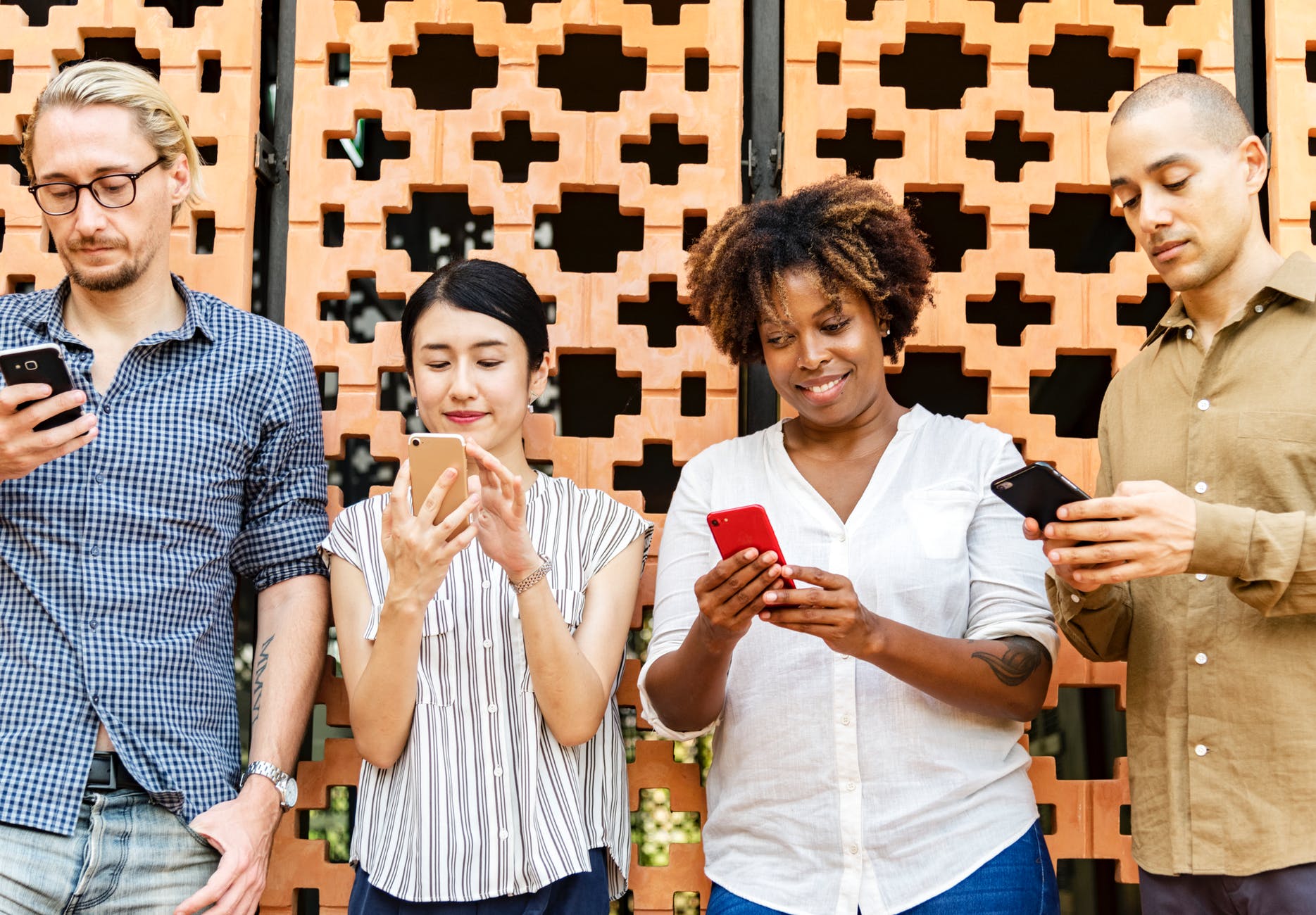
four people holding mobile phones
Photo by rawpixel.com on Pexels.com

Launching in 2004, Orkut was a popular social networking site, especially in Brazil where 90% of its page views came from. It allowed users to find communities through keyword searches such as titles, descriptions and browsing through other users memberships (Mahoney & Tang, 2016). In quick time, Orkut surged in popularity with over 1.5 million communities within its first year and reached a peak of 30 million users in 2012, becoming a leader in the industry (Mahoney & Tang, 2016). One of the most interesting things about Orkut was that it was an invite-only membership to use it. This added a feeling of importance to the users who were able to get on the list and become a member because they were one of the well enough connected people in the technology realm to be chosen. In addition to this, Orkut gave users the ability to rate each other and competition was created based on the number of friends you had and the largest communities on the site (Mahoney & Tang, 2016).

As mentioned before, Brazil was Orkut’s strongest market and is a generally strong online retail market in the world. In a country that has more cellphones than people and outdoor advertising in banned, the power of online marketing is limitless (Mahoney & Tang, 2016). With so many of Brazilians connected on social media and using it as a tool for a number of things like shopping and staying connected with friends, Orkut was able to be the number one choice for them. However, Orkut began to fail and lose the interest of users because of functionality problems such as blockages, limiting the number of friends, and difficulties loading and sharing photos (Mahoney & Tang, 2016). By not solving these issues, Orkut stopped meeting the needs of their consumers and lost them to other social media services who did.

References

Mahoney, L. M., Tang, T. (2016). Strategic Social Media: From Marketing to Social Change, 1st Edition. [MBS Direct]. Retrieved from https://mbsdirect.vitalsource.com/#/books/9781118556900/
Case Study: Weixin

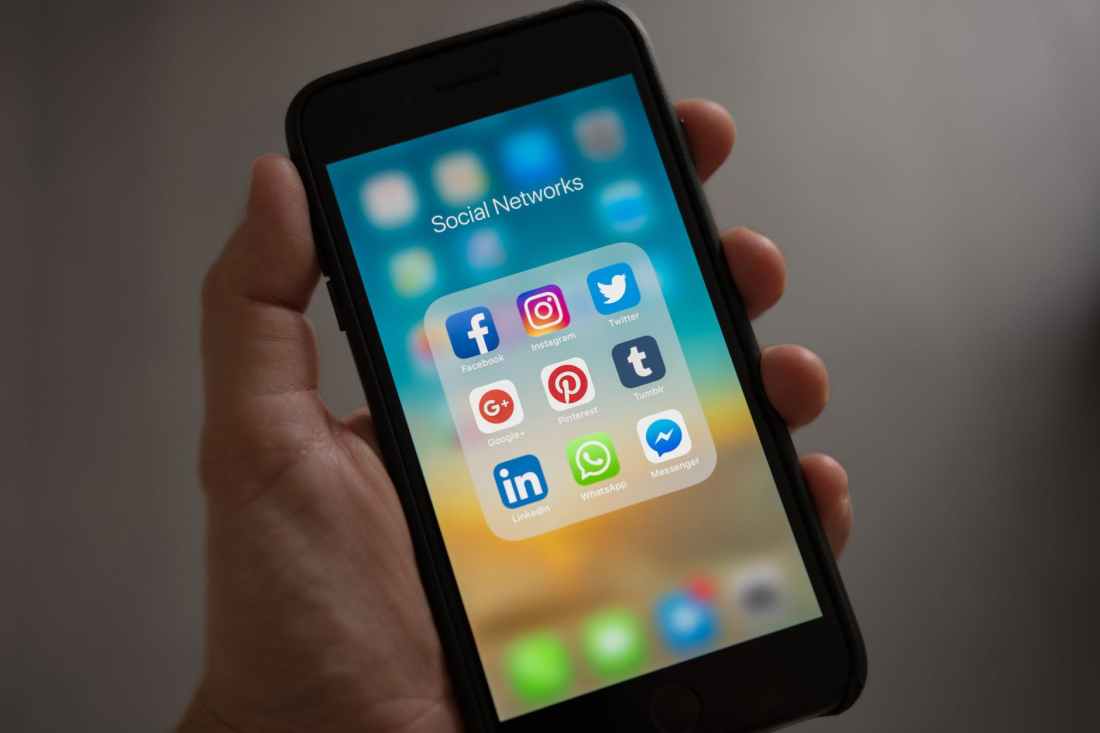
apple applications apps cell phone

Photo by Tracy Le Blanc on Pexels.com

Weixen, created in 2011, is an all-in-one Chinese social networking app that allows users to send messages, share news, and pictures via their mobile phone (Mahoney & Tang, 2016). This social media platform grew rapidly, gaining more than 300 million active users in China, Southeast Asia, Europe, and America by 2014. A large reason for their success is because of how well they understand their audience and how much they have became a part of their users’ daily lives. Users are able to do almost anything and the platform is seen as a combination of Facebook, Instagram, Twitter, Snapchat, and eBay. By putting everything that you may need on one platform, there’s no need for consumers to go anywhere else.

Knowing our audience is one of the biggest reasons behind a successful social media campaign, which is something Weixin does very well. They realize that their target audience of young, urban smartphone owners want to be able to get things done quickly and efficiently. By putting all these functions in one app, it reduces “search costs,” saving users the time it would take them to go somewhere else for that task or function.

Weixen has also adapted their platform to meet the needs or moods of their audience. For example, Weixen introduced a “Qiang Hongbao” campaign meaning “Red Envelope” for Chinese New Year which allowed users to link their bank account and send or receive red envelopes virtually (Mahoney & Tang, 2016). This is a big tradition in China to give family and friends a monetary gift in a red envelope during holidays. This made their audiences excited and encouraged to spend more time and money using Weixen. This ultimately resulted in nearly 5 million participants and 20 million red envelopes sent virtually (Mahoney & Tang, 2016).

One major way that Weixen was able to make their platform a part of their users’ daily lives was by introducing a cab reservation function called “Didi Taxi”. By working with 350,000 taxi drivers in more than 30 cities in China, it has created a user base of more than 22 million people so far and has a daily average of half a million bookings (Mahoney & Tang, 2016). This has not only gave users another reason to use their platform for everything they need, but it also trains them to get used to paying via Weixen. This has been a key part of how Weixen has integrated themselves into the daily lives of users.

Weixen can absolutely be successful if it is expanded to other countries. As consumers, we want everything to be easily accessible. By implementing a platform that puts all the social media networks we use on one easy-to-use app, you make the consumer’s life easier. The only thing that could hinder the success of this platform expanding into other countries is that many people already have their set ways and favorite platforms they use. It may be too big of a change for most people to stop using the current platforms they use to switch over to this “all-in-one” platform.

References

Mahoney, L. M., Tang, T. (2016). Strategic Social Media: From Marketing to Social Change, 1st Edition. [MBS Direct]. Retrieved from https://mbsdirect.vitalsource.com/#/books/9781118556900/

Breast Cancer Meme

awareness cancer design pink

Photo by Miguel Á. Padriñán on Pexels.com

Every year, October is celebrated as National Breast Cancer Awareness Month. There is typically always a large amount of support for this cause and social media is always involved. This includes various memes that circulate around Facebook in order to help spread awareness. These memes had women posting things like their name and a color which corresponded to the color of their bra. This would confuse their male friends who would go on Facebook and see these posts and not understand what it was all about. Memes like this became extremely popular all over Facebook and even began to make national news. It allows people to have fun with their own personalized message but also do their part in raising awareness for breast cancer.

The Facebook breast cancer awareness meme was great because of how much awareness it brought to a great cause, but what went into making it so viral? I believe the mystery of it made it fun for everyone. The women were able to make these posts that men were completed puzzled by which made it really fun for them and the men were also following the trend trying to decipher what these posts meant. This was something that everyone could participate in and enjoy, one of the key reasons things like this go viral on the internet.

However, while these fun breast cancer memes have raised awareness for this cause, it has not done much to make a significant difference in helping to cure breast cancer. Lack of awareness was not always the biggest problem with breast cancer. What these viral memes failed to do was direct people to places where they could make donations and give information regarding the initiative’s goals. It also seemed to alienate men from this message when they are also susceptible to being diagnosed with breast cancer. In 2012, over 2,000 men were diagnosed with breast cancer and over 400 men died from it in the United States (Mahoney & Tang, 2016). By informing all people of where they can go to make a difference whether it be with donations, volunteer work or to learn more about the signs of breast cancer, it will create a more effective campaign with better user mobilization.

One of the biggest signs of mobilization success for something is creating real-life experiences that make people emotional and resonate with them. For example, volunteering at a chemotherapy treatment center can be eye opening and will shape your behavior towards the cause from that moment on. By having that personal experience with it, it creates an emotional connection to the cause and turns you into an advocate for it. You then become a more informed and active member in this community, doing your part to help spread their message and accomplish their goals. We can also make these campaigns more effective on Facebook by including videos of people doing volunteer work and their experience with it, as well as interviews with breast cancer patients and survivors. People will watch these videos and make an emotional connection to them, making them want to support this cause further.

References

Mahoney, L. M., Tang, T. (2016). Strategic Social Media: From Marketing to Social Change, 1st Edition. [MBS Direct]. Retrieved from https://mbsdirect.vitalsource.com/#/books/9781118556900/

Case Study: Warby Parker

Warby Parker is a prescription eyeglasses and sunglasses service that was launched in 2015 by four classmates who wanted to change how expensive and complicated the process it was to get new glasses. Their business model is unique as it starts from their own in-house designs and is distributed online directly to customers which drastically lowers the prices of the glasses. To date, Warby Parker has shipped more than 500,000 pairs of glasses in and employs over 100 people.

Through Warby Parker’s growth and success, social media has been one of their best friends in this process. Social media has given them the chance to communicate consistently and effectively with any and all customer concerns. One of these major concerns is that most people feel like purchasing something important to their vision such as eyeglasses must be done in person. This is because they are able to try them on in person and see how they feel and look. This concern gave them the opportunity to launch a new campaign called the “Home Try-On Campaign.” This campaign allows customers to order five pairs of glasses online to try on for free! The customer can then choose the pair that best suits them and return the remaining pairs, only paying for the pair they keep. Social media became a big part of this campaign as they had customers share pictures of the eyeglasses they ended up choosing which helped create a trust in their products among consumers since they are seeing others enjoying their experience with Warby Parker.

Warby Parker has also used their marketing on social media for good. They teamed up with the company VisionSpring to provide a pair of eyeglasses for a person in need for every pair of eyeglasses they sell. This has amounted to 500,000 pairs of glasses to date. Something like this makes me, and other customers, feel good about purchasing a product from their company. It feels good to purchase something from a company who is putting it towards a good cause because you know you are giving your service to a socially responsible company and doing your own part in helping out a meaningful cause.

A specific way that Warby Parker’s social media marketing strategy can help reduce dissonance for consumers is through their informative YouTube videos. These videos have addressed how they create their glasses and numerous feedback/review videos from customers on the pair of glasses they chose. By showcasing their own customer experiences to other potential customers who may be planning on switching over, Warby Parker is building a trust with these potential customers before they even make a purchase since they are seeing it from a real consumer.

On the topic of YouTube, this made think of another avenue that Warby Parker could utilize on this platform. Many of the most popular content creators on YouTube have companies sponsor them and in return they advertise that company and promote their products. When you watch these content creators on a daily basis and follow them on various social media platforms, you build a sort of relationship with them and would trust them when they would tell you to go out and purchase a certain product. This could be huge for Warby Parker to team up with a popular “YouTuber” because it will likely increase their customer base and therefore profits.

References

Mahoney, L. M., Tang, T. (2016). Strategic Social Media: From Marketing to Social Change, 1st Edition. [Vitalsource]. Retrieved from https://bookshelf.vitalsource.com/#/books/9781118556900/